Natural Alternatives To Toxic, Oral Medication

Free Shipping on All Orders Over $75 • 100% Money-Back Guarantee
LIST OF INGREDIENTS & WHAT THEY ARE USED FOR
Important Note: The exact ingredients for any one product are located directly on the product listing page for that product. Go to SHOP ---> SHOP ALL PRODUCTS ---> to find out anything you need to know about the product you are interested in.
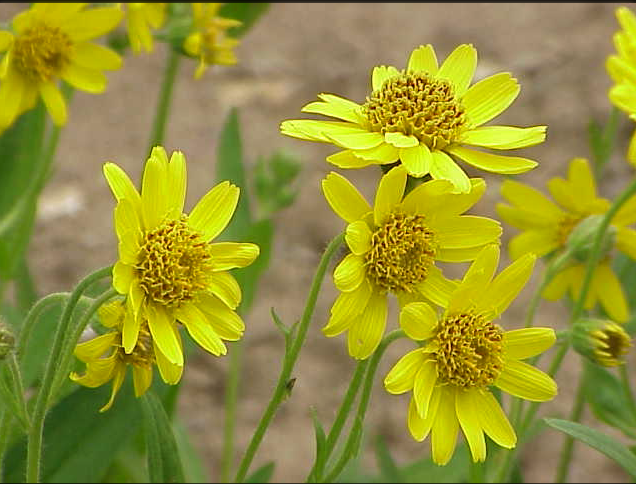
Arnica
Arnica is a homeopathic herb used to treat aches, pains, and bruises. An herb in the sunflower family (Asteraceae), arnica contains anti-inflammatory compounds. This is thought to relieve muscle and joint pain and heal bruising. It comes from the sub-alpine regions of western North America. It can also be found in arctic regions of Europe, Asia, and North America.
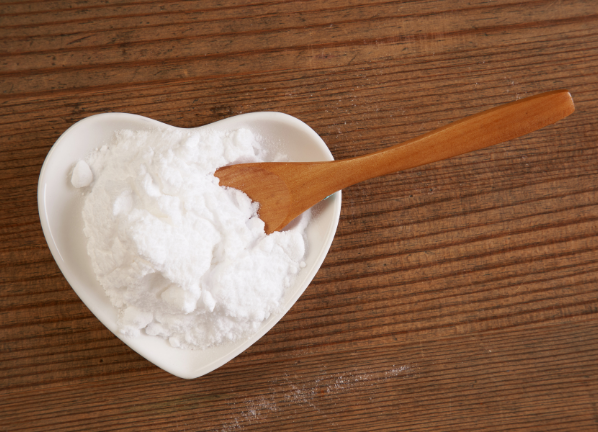
Baking Soda
Baking soda is found in many oral healthcare products and some people even use baking soda to help clear up several common skin conditions. Baking soda is easy to find and affordable. In some cases, it can take the place of more expensive skin care products. Baking soda may be used for a variety of conditions affecting the skin including acne, eczema, psoriasis, Ichthyosis , fungal and yeast infections, and ingrown hair removal.
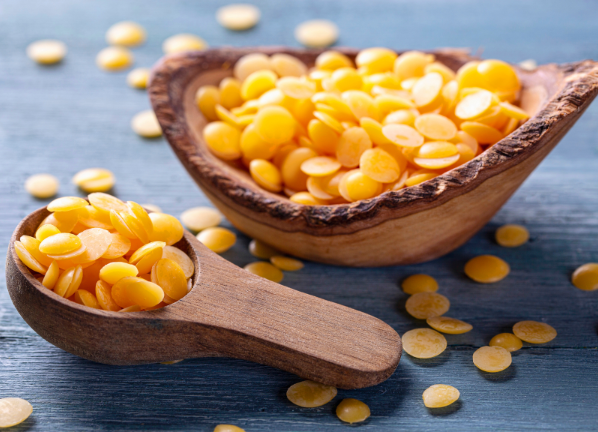
Beeswax
Simply put, beeswax is a wax that comes from bees. The worker bees produce a honeycomb of this wax to store the colony’s honey. Beeswax can create a protective layer on the skin. It’s also a humectant, which means that it attracts and binds water. Both of these qualities can help the skin stay hydrated. Thanks to its antibacterial agents, beeswax has a long history of being used for certain skin issues. Historically, this has included treating burns and wounds. It’s used to in ointments and creams, often to soothe skin conditions.
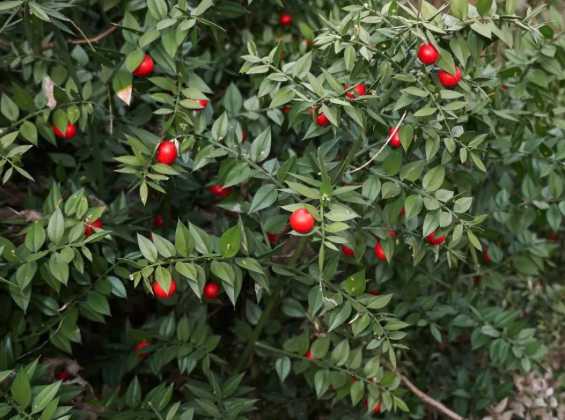
Butchers Broom
It’s native to Western Europe and has especially tough branches. Historically, butchers would bundle its branches to sweep off their chopping blocks — which is how it got its name. Butcher’s broom has been used in herbal medicine for thousands of years. Its root and rootstock are prized in herbal medicine because they contain various active compounds, including flavonoids and many others. These compounds may be why butcher’s broom is linked to several potential health benefits, such as improved blood circulation and hemorrhoid treatment. Butcher’s broom contains compounds, such as ruscogenin, that may help suppress inflammatory signals and potentially treat damage caused by inflammation. It may reduce the effects of blood pressure meds, but does not cause increases in blood pressure.
Black Horehound
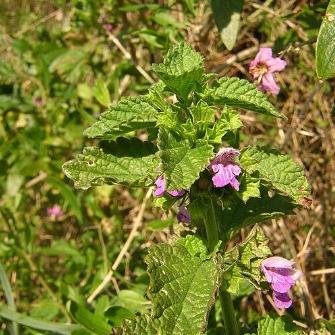
Black horehound is an earthy, aromatic member of the mint family traditionally relied on to settle a “nervous stomach,” ease nausea, and calm digestive spasms. Herbalists often reach for it when queasiness is tied to anxiety, motion sickness, or migraine, rather than food alone.
The aerial parts contain bitter and antispasmodic compounds that help relax smooth muscle in the upper digestive tract, which may relieve belching, fullness, and cramping. Native to the Mediterranean region but now naturalized across Europe and North America, black horehound has also seen use as a mild sedative and occasional support for coughs and respiratory irritation
Calendula
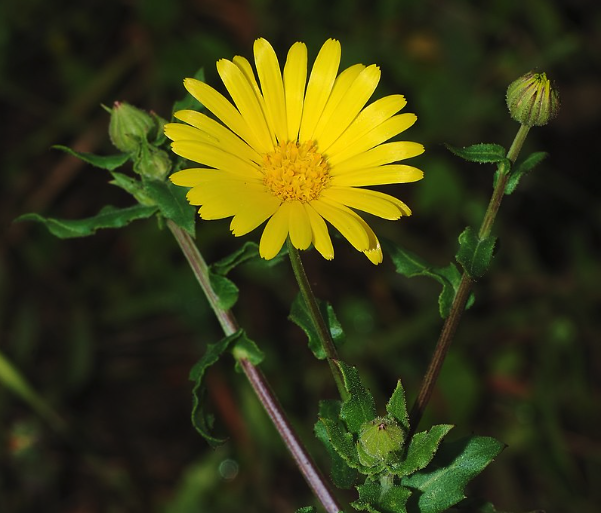
Calendula is a marigold plant, is native to Canada and the lower 48 states, that has long been used for its skin health benefits, such as helping with wound healing. Calendula petals are rich in naturally occurring compounds called flavonoids. These compounds are said to have anti-inflammatory, anti-thrombogenic, antidiabetic, anticancer, and neuroprotective effects. Calendula has been used to treat a variety of skin conditions. Research has shown that calendula may treat diaper rash, wounds, vaginal yeast infections, sunburn and other conditions. Calendula has also been used as a pain and inflammation reducer, as well as a way to relieve treatment-related side effects for people with cancer.
Cascara Sagrada Bark
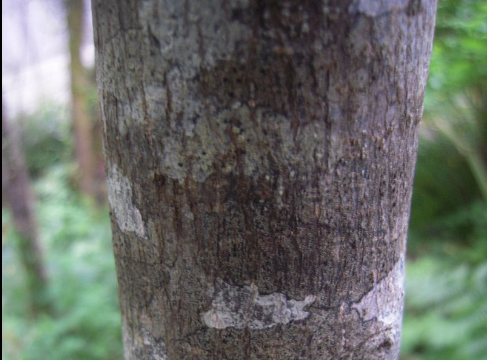
Cascara sagrada bark is a shrub native to western North America whose bark is processed for medicinal purposes. Cascara sagrada contains organic plant compounds called anthraquinones that have powerful laxative effects. Cascara sagrada is primarily used to treat constipation. The anthraquinones contained in the bark slow down the absorption of water and electrolytes in the intestines. Because of this, stool volume increases as it absorbs the excess water, which increases pressure within the intestine. This stimulates muscle contractions in the colon (peristalsis), speeding the clearance of the bowel.
Catnip
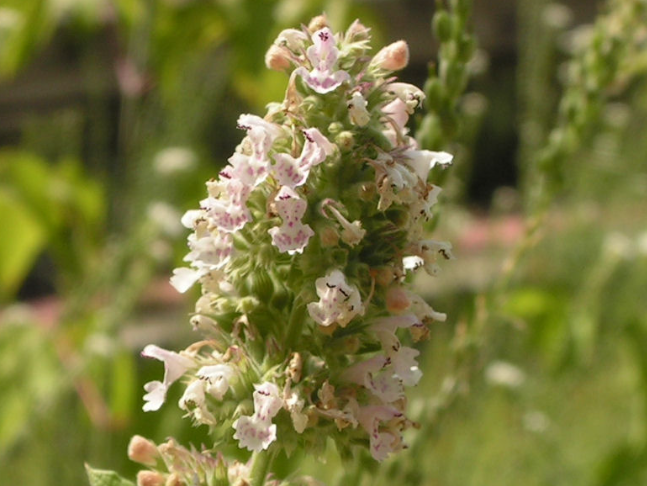
Catnip is an aromatic perennial herb native to central Europe and now naturalized throughout the northeastern US and Canada. Medicinally, the plant has been used to treat intestinal cramps, for indigestion, to cause sweating, to induce menstruation, as a sedative, and to increase appetite. Additionally, the plant has been used to treat diarrhea, colic, the common cold, and cancer. In Appalachia, nervous conditions, stomach ailments, hives, and the common cold have been treated with catnip tea. The dried leaves have been smoked to relieve respiratory ailments, and a poultice has been used externally to reduce swelling.
Chamomile
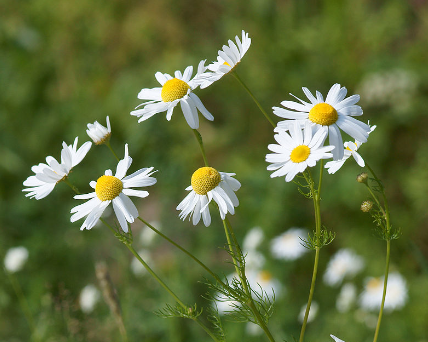
Chamomile is a flowering plant in the daisy family. Native to Europe and Western Asia, it's now found around the world. The herb smells slightly like an apple, which may explain its name—chamomile is Greek for Earth apple. ChThe list of conditions for which it's been used is extensive. It includes fever, headaches, kidney, liver, and bladder problems, digestive upset, muscle spasms, anxiety, insomnia, skin irritations, bruises, gout, ulcers, rheumatic pain, hay fever, inflammation, hemorrhoids, colic, and menstrual disorders.
Chickweed
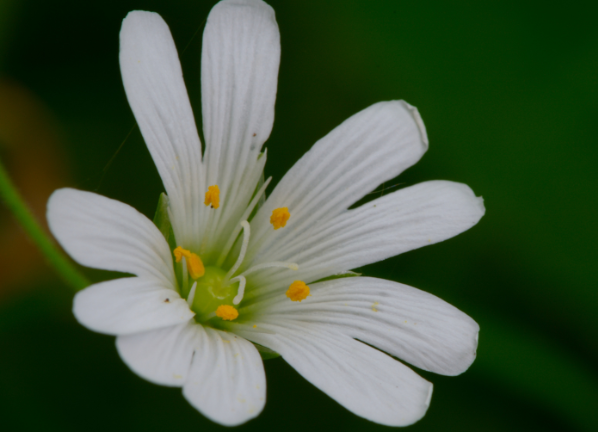
Chickweed also called starweed, satin flower, or mouse-ear — is a common weed in the carnation family. It grows low to the ground, has a hairy stem, and produces small, star-shaped, white flowers. It’s primarily found in North America and Europe. If you’re feeling crummy and experience phlegm buildup, chickweed may be helpful. It also provides anti-inflammatory, anti-irritation, and soothing effects.
Cinnamon
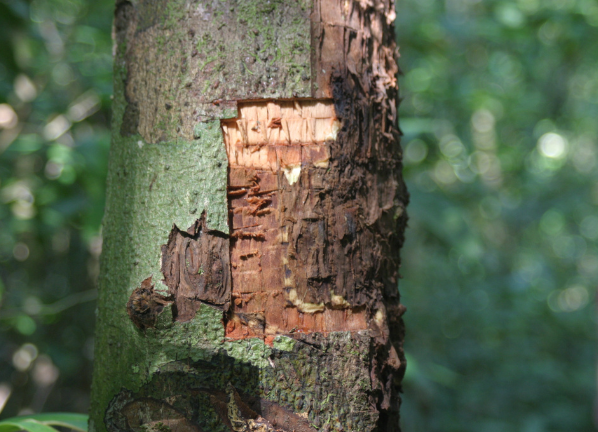
Cinnamon is derived from the inner bark of the cinnamon tree. Cinnamon seems to lower blood pressure due to the widening effect it has on blood vessels, especially those in the arms and legs. Cinnamon may also help protect you from cancer. Its extract appears to be a natural inhibitor of tumor blood vessel growth factors. Cinnamon is a natural antimicrobial agent that can protect you from getting sick.
Coconut Oil
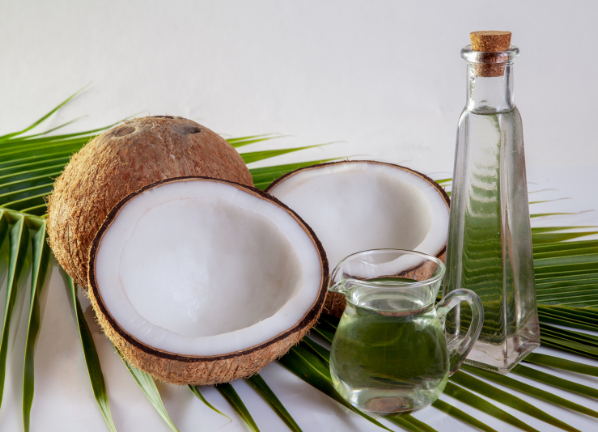
Coconut oil is derived from the white flesh of the tropical fruit. Once pressed, the oil can last up to six months without spoiling. That’s because it holds a low oxidation rate and therefore doesn’t become rancid as quickly as other oils. Coconut oil is solid at room temperature but can melt into a liquid. It has anti-inflammatory and analgesic properties. Coconut Oil can help remedy diabetes, Crohn’s disease, and irritable bowel syndrome, among many others. Coconut oil has numerous properties and health benefits that can help treat hemorrhoids.

Dead Sea Salts
Dead Sea salt is salt from the Dead Sea in Israel, which is the saltiest and deepest lake in the world. Known for its healing properties since Biblical times, Dead Sea salt has been used to treat various skin conditions, such as psoriasis, due to solar ultraviolet radiation found in the Dead Sea. Dead Sea Salt is great for your skin—it can boost skin health as well as treat various health conditions, such as rheumatoid arthritis.

Distilled Water
Distillation is the process whereby toxins are removed from the water by boiling it and then condensing the steam into a sanitized container. the purer the water the higher the chance of shampoos not causing build-up on hair, as well as the preservation of longer shelf life for most cosmetics and hygiene products. Not to mention the prevention of bacterial contaminants growing in products or auto-oxidation ruining them.
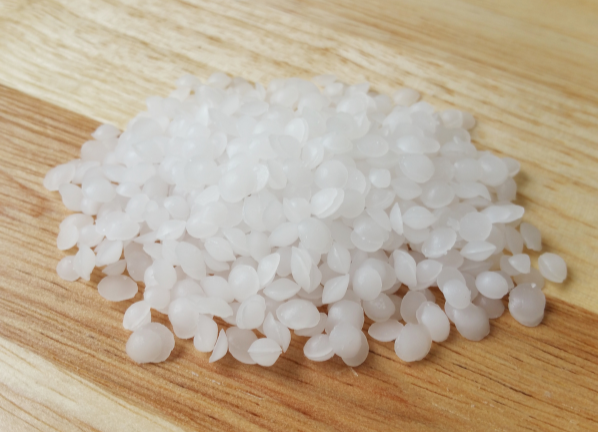
Emulsifying Wax
Emulsifying waxes are originally derived from plant oils, which means they are mostly vegetable-based. Emulsifying wax acts as a binding agent for oil and water, so that they can mix and blend together to make toners, lotions, and of course, facial moisturizers. Facial moisturizers use emulsifying wax to regulate their thickness and creaminess. Because emulsifying wax is essentially the glue that holds all those important cleansing oils together with water, your facial moisturizer won’t last too long without it.
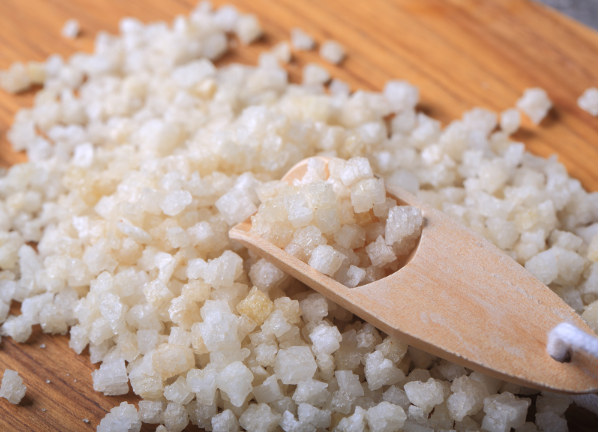
Epsom Salt
Epsom salt is also known as magnesium sulfate. It’s a chemical compound made up of magnesium, sulfur, and oxygen. It gets its name from the town of Epsom in Surrey, England, where it was originally discovered. For hundreds of years, this salt has been used to treat ailments, such as constipation, insomnia, and fibromyalgia. Epsom salt dissolves in water and so can be added to baths and used as a cosmetic.
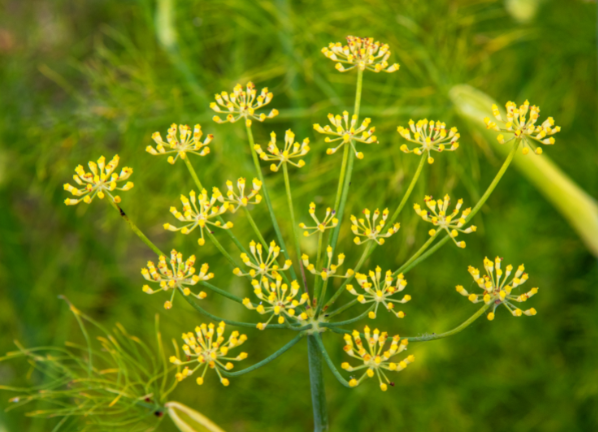
Fennel Seeds
Fennel, has a pale bulb and long green stalks. It can grow almost anywhere. All parts of the fennel plant, including the bulb, stalk, leaves, and seeds, are edible. Fennel seeds may have antioxidant, anti-inflammatory, anti-fungal, and antiviral effects. A 2020 systematic review found that digesting these seeds may also stimulate prolactin to help mothers naturally produce breast milk. A person can ingest fennel seeds in dishes or as an extract.
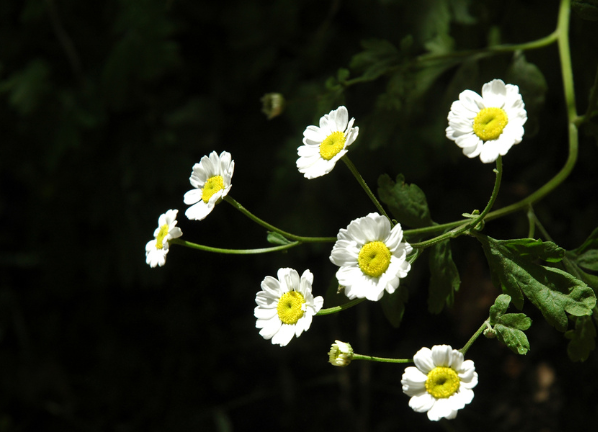
Fever Few
Feverfew is a plant native to Asia Minor and the Balkans. Feverfew dried leaves, fresh leaves, and extracts are used in medicine. Feverfew leaves contain many different chemicals, including one called parthenolide. Parthenolide, as well as other chemicals in feverfew, might help decrease migraine headaches. People most commonly use feverfew for migraine headaches. People also use feverfew for itching and tension headache.
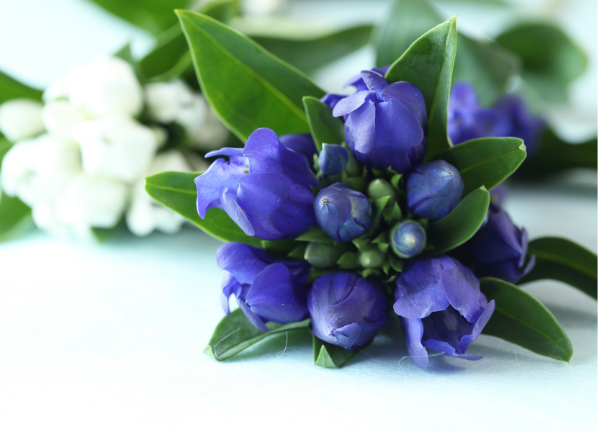
Gentian
Gentian root is an herb that has been used for medicinal purposes for centuries. It comes from a large genus of plants that typically grows in the mountain climates of Europe, Asia, and the Americas. These plants have trumpet-like flowers that come in blue, yellow, and other colors. People have traditionally used gentian root to fight inflammation and swelling, treat infected wounds, and serve as an antidote to animal poison.
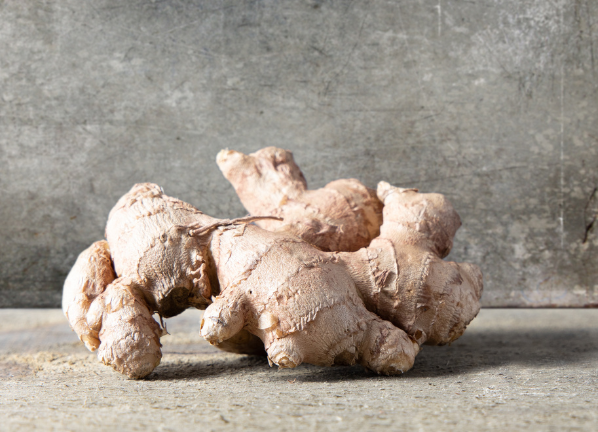
Ginger Root
Ginger is a flowering plant that originated in Southeast Asia. It’s among the healthiest (and most delicious) spices on the planet. Gingerol, a natural component of ginger root, benefits gastrointestinal motility ― the rate at which food exits the stomach and continues along the digestive process. Eating ginger encourages efficient digestion, so food doesn’t linger as long in the gut.
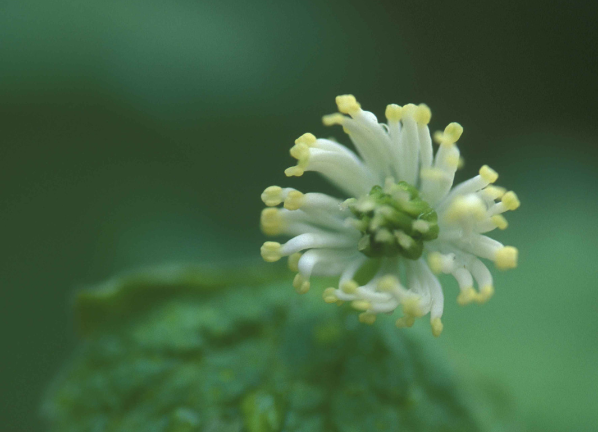
Goldenseal
Goldenseal is a perennial plant native to eastern North America. Goldenseal is praised for its antibacterial and anti-inflammatory properties. It’s often taken to prevent or treat upper respiratory tract infections and the common cold. It’s also used to treat skin disorders, lack of appetite, heavy or painful periods, sinus infections, indigestion, and other inflammatory or digestive disorders.
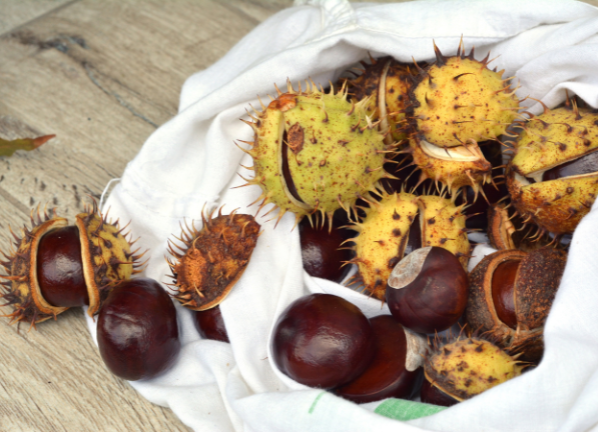
Horse Chestnut
Horse chestnut is a tree native to the Balkan Peninsula. The compound aescin in horse chestnut has multiple medicinal properties that could make it useful for treating Chronic Veinous Insufficiency. For example, it may increase blood flow in your veins, possibly improving symptoms. It helps to regulate blood pressure due to its potassium content and it may reduce your blood pressure; it is not recommended for individuals on blood thinners. Horse chestnut extract may help relieve hemorrhoid symptoms by reducing pain and swelling.
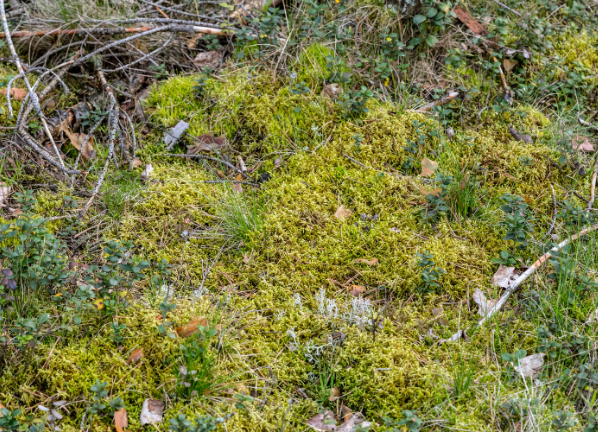
Icelandic Moss
Icelandic moss isn’t moss. It’s actually a lichen. A lichen is a dual organism consisting of a type of fungi and algae or bacterium. Both coexist together to allow it to exist in harsh climates. Icelandic moss is most widely known for its role in alleviating coughs, sore throat, and mouth irritation. Iceland moss is also used for treating loss of appetite, common cold, and other conditions. It is also powerfully antibiotic, containing usnic acid and other lichen acids that combat bacteria and viruses.
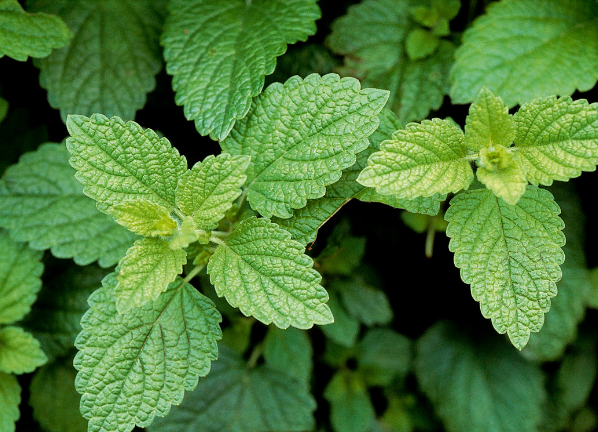
Lemon Balm
Lemon balm is a lemon-scented herb that comes from the same family as mint. The herb is native to Europe, North Africa, and West Asia, but it’s grown around the world. Lemon balm has traditionally been used to improve mood and cognitive function. Lemon balm is said to soothe symptoms of stress, help you to relax, and boost your mood. If you experience frequent abdominal pain and discomfort, lemon balm may have a positive effect on your digestion.
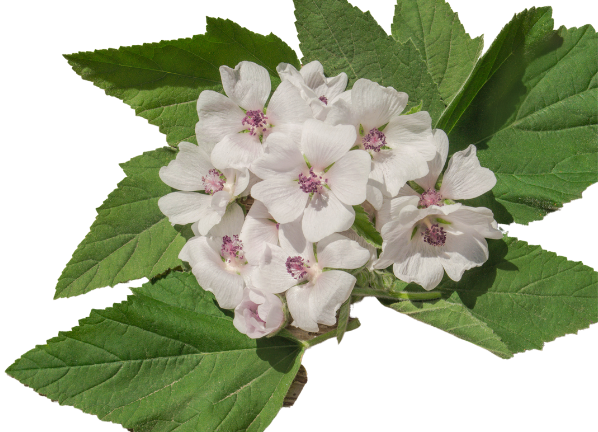
Marshmallow Root
Marshmallow root is a perennial herb that’s native to Europe, Western Asia, and Northern Africa. It’s been used as a folk remedy for thousands of years to treat digestive, respiratory, and skin conditions. Marshmallow root has antibacterial activity that may make it effective in wound healing. The high mucilaginous content of marshmallow root may make it a useful remedy for treating coughs and colds.
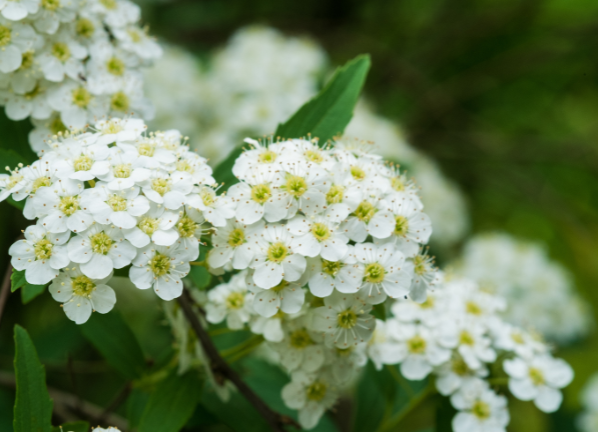
Meadowsweet
Meadowsweet is an herb with white, sweet-smelling flowers that are used in teas and extracts. Historically, it has been used as a diuretic and to treat inflammatory conditions, including joint pain and gout. Compounds in meadowsweet that may have beneficial properties include flavonoids, ellagitannins, and salicylic acid. These compounds, among others, may have antioxidant and anti-inflammatory effects.
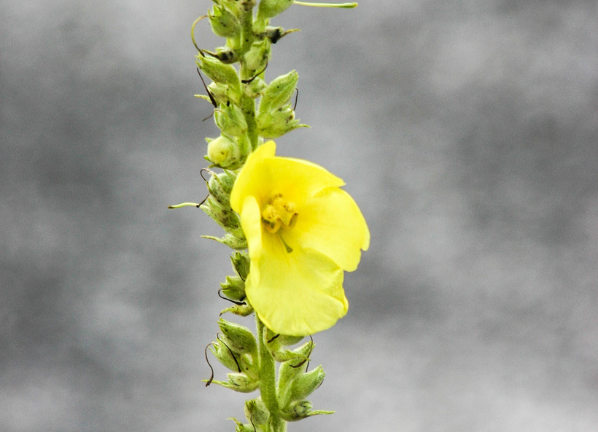
Mullein
The mullein plant has been around for thousands of years. The plant is found in many parts of the world, including the United States, and has more than 200 species. For centuries, mullein flowers and leaves were used on animals and people for a variety of issues, including: cough, congestion, bronchitis, asthma, constipation, pain, inflammation, migraine, sleep, and gout. Mullein also has antiviral activity against influenza A and herpes.
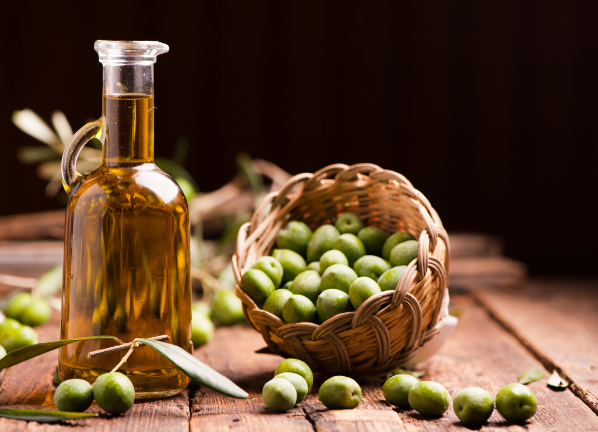
Olive Oil
Olive oil is a type of oil that has been extracted from olives, the fruits of the olive tree. Olive oil is very high in monounsaturated fats and contains a modest amount of vitamins E and K. E. Olive oil contains oleic acid and antioxidants, which can help fight inflammation. Olive oil can improve several aspects of heart health. In fact, studies show that it may reduce blood pressure and inflammation, protect LDL particles from oxidation, improve blood vessel health, and help prevent unwanted blood clotting.
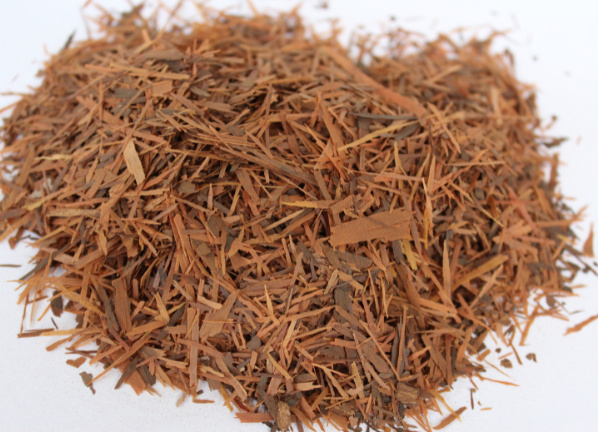
Pau d' Arco
Pau d’arco is made from the inner bark of several species of Tabebuia trees that grow in Central and South America. Pau d’arco may protect against a number of disease-causing organisms. Pau d’arco extract may promote weight loss by inhibiting dietary fat absorption. Scientists have identified two active chemicals in pau d'arco: lapachol and beta-lapachone. In lab tests, these chemicals killed some bacteria, fungi, viruses, and parasites. They also have anti-inflammatory properties, and may be effective against diseases such as osteoarthritis.
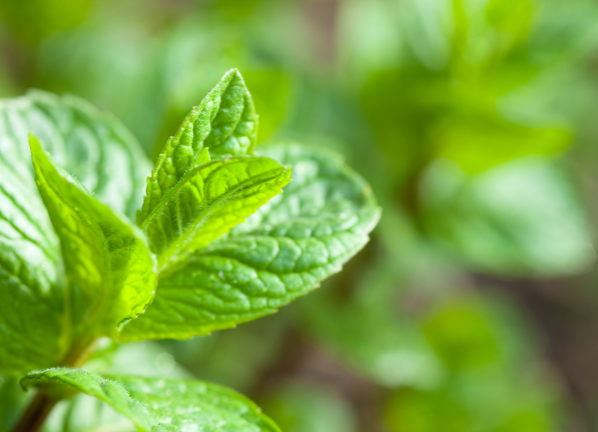
Peppermint
This herb is a cross between two types of mints: water mint and spearmint. Peppermint has compounds that relax the tissues in GI tracts. Peppermint can ease side effects of irritable bowel syndrome like gas, stomach pain, constipation, and diarrhea. The active ingredient in peppermint is menthol. Some small studies show it can lessen the pain of migraine headaches. It may also reduce other symptoms like light sensitivity, nausea, and vomiting.
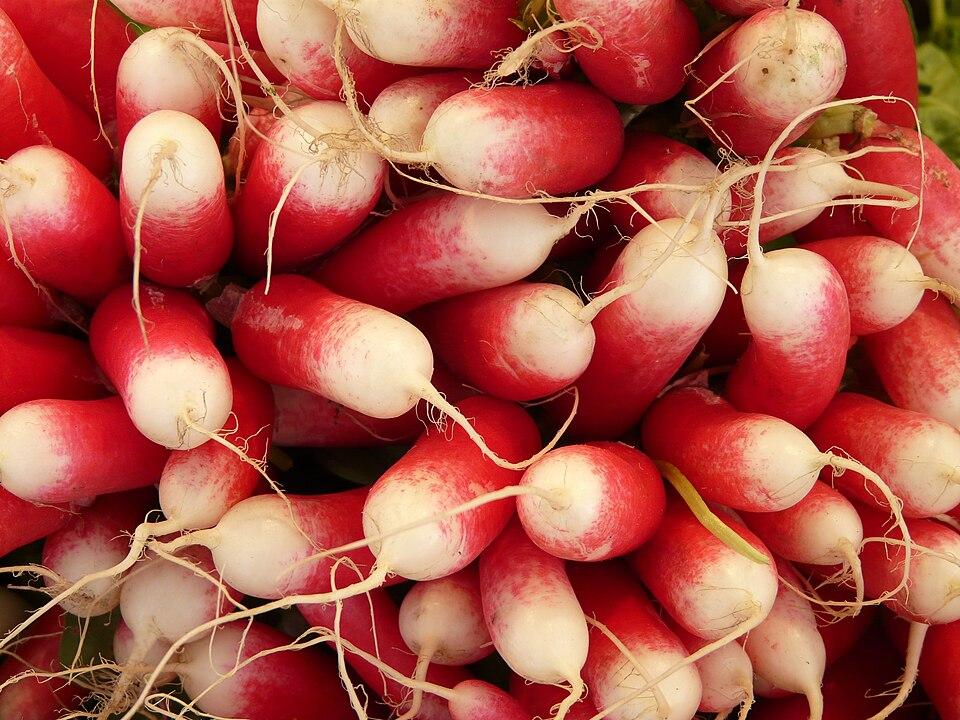
Raddish Root Ferment
Radish root ferment is made by fermenting radish root with beneficial lactic acid bacteria, creating peptides that act as a gentle, plant-based antimicrobial for skincare and cosmetic formulas. This naturally derived ferment helps keep products fresh and stable without relying on harsher synthetic preservatives.
Beyond preservation, radish root ferment can support a balanced skin microbiome and offer light moisturizing and calming benefits for sensitive or reactive skin. Its mild soothing properties make it a good fit for clean-label, natural, and organic face and body care.
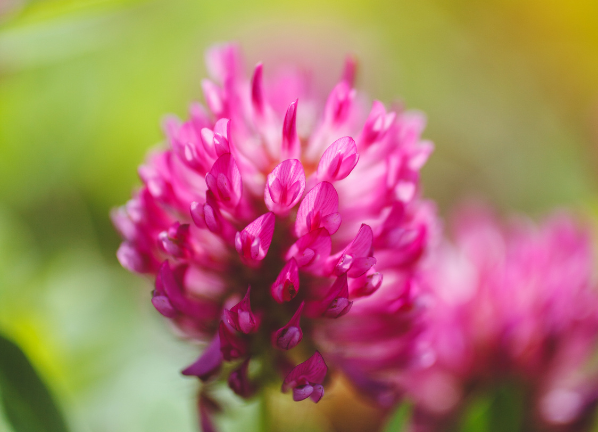
Red Clover
Red clover is a wild flowering plant belonging to the same family as peas and beans. It is a dark-pink herbaceous plant originating from Europe, Asia, and North Africa. It’s widely used in traditional medicine as a remedy for menopause symptoms, asthma, whooping cough, arthritis, and even cancer. It is also used to treat osteoporosis, heart disease, arthritis, and skin disorders. Red clover extract has been used in traditional medicine to promote skin and hair health.
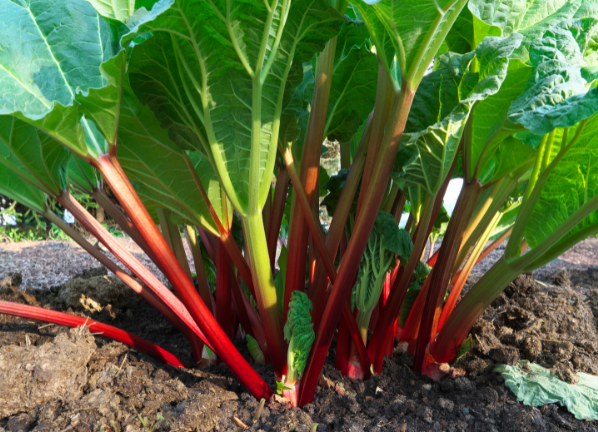
Rhubarb Root
Rhubarb is a plant. The root and underground stem (rhizome) are used to make medicine. Rhubarb is used primarily for digestive complaints including constipation, diarrhea, heartburn, stomach pain, gastrointestinal (GI) bleeding, and preparation for certain GI diagnostic procedures. Some people use rhubarb so they have to strain less during bowel movements; this reduces pain from hemorrhoids or tears in the skin lining the anal canal (anal fissures). Rhubarb is sometimes applied to the skin to treat cold sores.
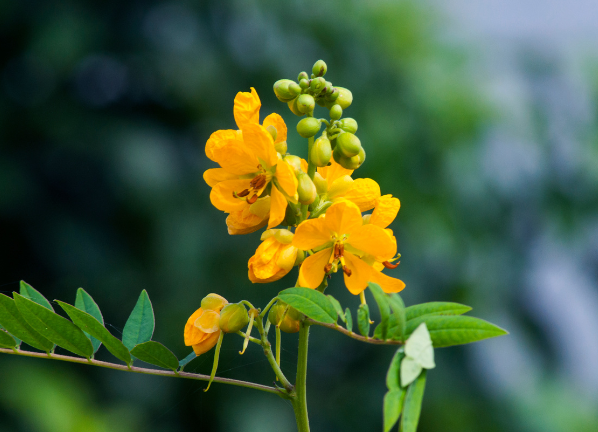
Senna
Senna is an herbal medicine made from the leaves, flowers, and fruit of a large group of flowering plants in the legume family. The most common application for senna is to stimulate bowel movements. The primary active compounds in senna leaves are known as senna glycosides, or sennosides. Sennosides cannot be absorbed in your digestive tract, but they can be broken down by your gut bacteria. Senna is primarily used to alleviate constipation, but some people may also use it to prepare for colonoscopies and manage hemorrhoid symptoms.
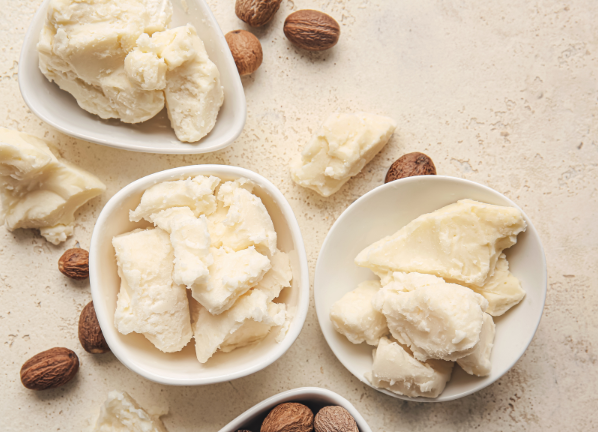
Shea Butter
Shea butter is fat that’s extracted from the nuts of the shea tree. It’s solid at warm temperatures and has an off-white or ivory color. Shea butter is typically used for its moisturizing effects. These benefits are tied to shea’s fatty acid content, including linoleic, oleic, stearic, and palmitic acids. It is is easy for your skin to fully absorb and won’t make your skin look oily after application. The plant esters in it have been found to have anti-inflammatory properties.
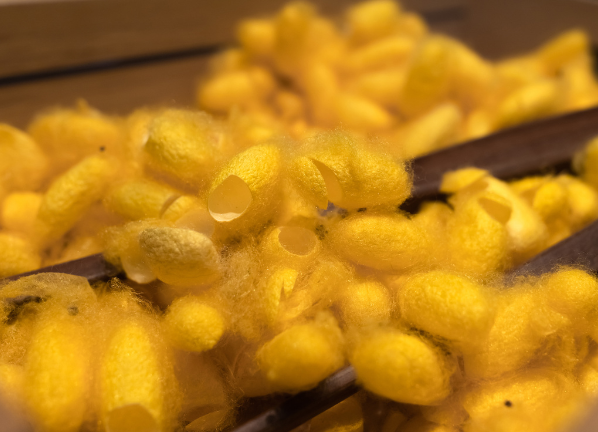
Silk Protein
By converting silk from a silkworm's cocoon, silk protein is formed. As with collagen fibers that make up our skin, it has a similar molecular structure. Increasing skin elasticity, speeding up skin cell function, preventing wrinkles, tightening and smoothing the skin are all natural benefits of silk protein. Silk protein is similar to human keratin and helps in the production of keratin protein. Silk protein also prevents the formation of dark spots and freckles.
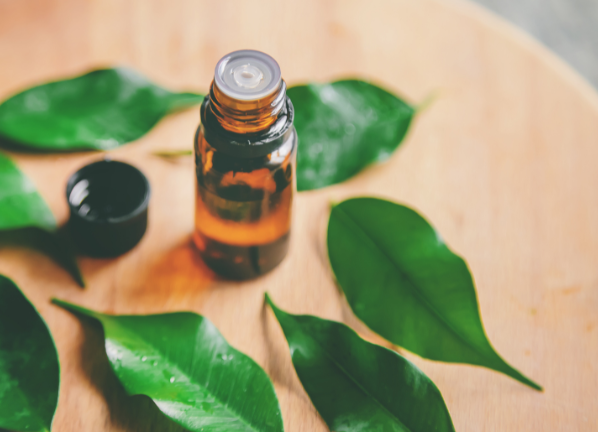
Tea Tree Essential Oil
Tea tree oil comes from the leaves of Melaleuca alternifolia, a small tree native to Queensland and New South Wales, Australia. It may kill certain bacteria and support skin health. Using tree oil as a natural hand sanitizer may help kill a number of germs responsible for colds, the flu, and other illness. Tea tree oil may help speed wound healing by reducing inflammation and increasing white blood cell activity. Tea tree oil appears to be as effective against fungal nail infections.
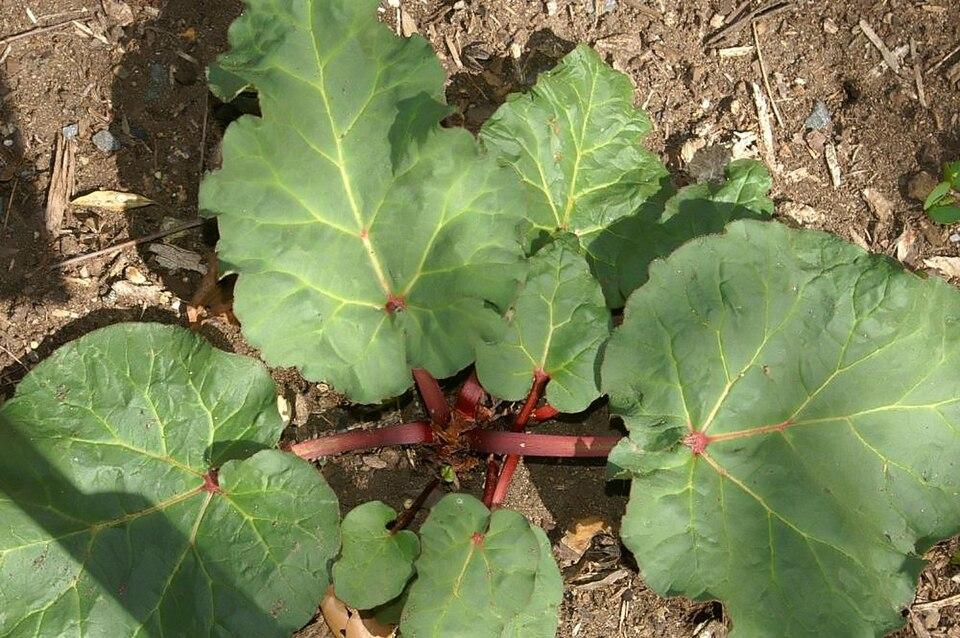
Turkey Rhubarb Root
Turkey rhubarb root comes from a group of rhubarb species long used in both European and Chinese herbal traditions as a “tonic” laxative for sluggish bowels. The root is typically used in small, carefully measured doses to encourage regular bowel movements without the harsh cramping associated with stronger stimulant laxatives. It contains anthraquinone compounds that stimulate peristalsis along with tannins that provide a gentle astringent effect, helping tone the gut lining while promoting elimination. Turkey rhubarb is often included in cleansing or “detox” blends aimed at supporting healthy digestion, liver function, and overall bowel regularity.
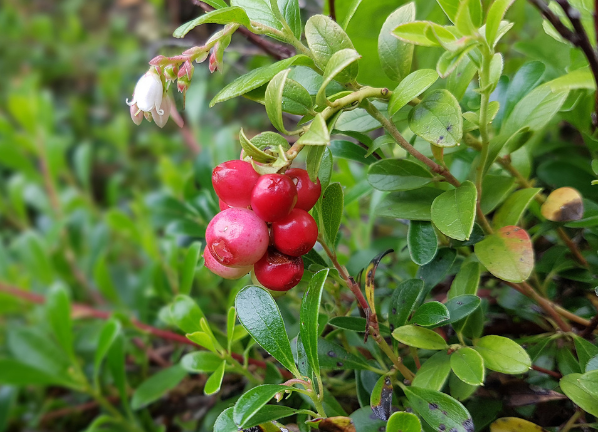
Uva Ursi
Uva ursi is a trailing evergreen shrub that produces red berries and flourishes in alpine forests in many regions, including North America, Europe, the Iberian Peninsula, Siberia, and the Himalayas. Native Americans used it as a remedy for urinary tract infections. The plants contain natural chemicals with infection-fighting properties, called glycosides and arbutin. Uva ursi has been used to treat bladder infections and to lighten skin.
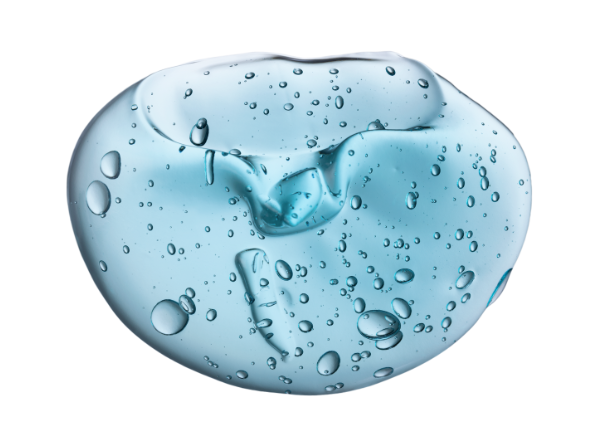
Vegetable Glycerin
Glycerin is a sugar alcohol derived from animal products, plants or petroleum. Vegetable glycerin is the variant made from plant oils. It is odorless and has a mild, sweet taste with a syrup-like consistency. It may act as a moisturizer, reduce skin irritation, protect against infection and boost wound healing. It may also help relieve constipation and promote hydration and physical performance. Applying glycerin to your skin may gradually improve its smoothness and suppleness.
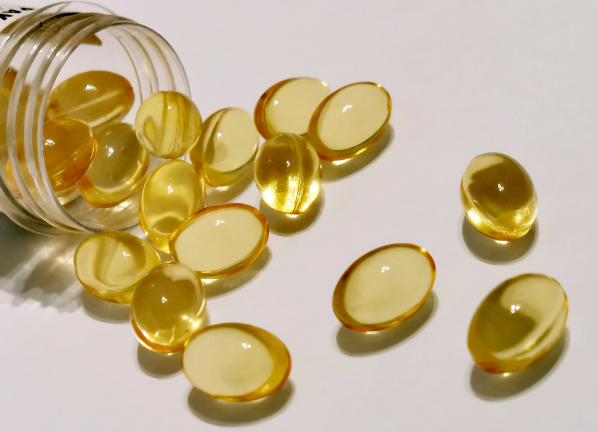
Vitamin E
Vitamin E is found largely in wheat germ or sunflower seed oils, this ingredient is a a first-string defense against free radicals and other environmental, damaging effects. Vitamin E is a fat-soluble, essential nutrient with anti-inflammatory properties. Vitamin E helps support the immune system, cell function, and skin health. Vitamin E easily absorbs into skin. Problem areas that are very dry, such as the cuticles and elbows, might benefit from topical application of vitamin E oil.

White Willow
The willow family includes a number of different species of trees and shrubs native to Europe, Asia, and some parts of North America. Antioxidant compounds called polyphenolic glycosides and flavonoids are also found in white willow bark. These have been shown to protect against oxidative stress and various symptoms tied to aging, such as poor physical performance, cognitive decline, etc. White willow bark can help people dealing with chronic joint pain and injuries.
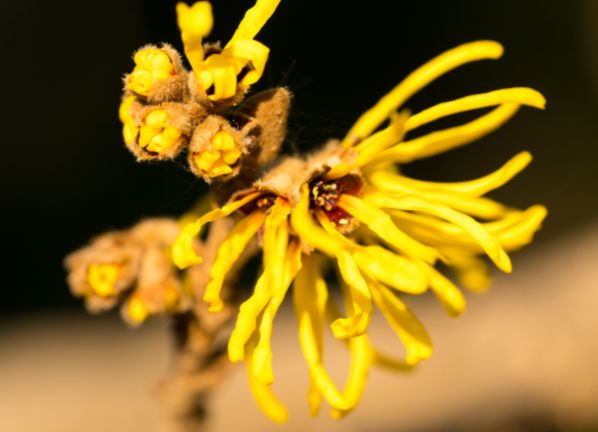
Witch Hazel
Witch hazel is a plant with powerful medicinal properties that can be used in a variety of ways. There are many species of witch hazel, but Hamamelis virginiana — a type of shrub native to North America — is most commonly used in remedies. The leaves and bark are made into teas and ointments. Witch hazel contains many compounds with anti-inflammatory properties, which may have far-reaching benefits for your health. Witch hazel may help reduce skin redness and provide relief for irritated and sensitive skin.
Yarrow
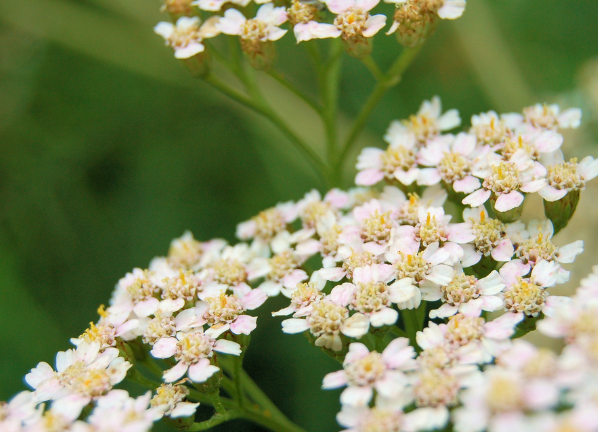
Yarrow has been used for thousands of years for its potential health benefits. In fact, its genus name, Achillea, refers to the warrior Achilles in Greek mythology, as he used yarrow to treat his soldiers’ wounds. Studies suggest that yarrow leaf extract and ointment may boost wound healing and may provide several digestive benefits, such as combatting ulcers and IBS symptoms. It contains flavonoids and alkaloids that may relieve symptoms of depression and anxiety.
Yellow Dock
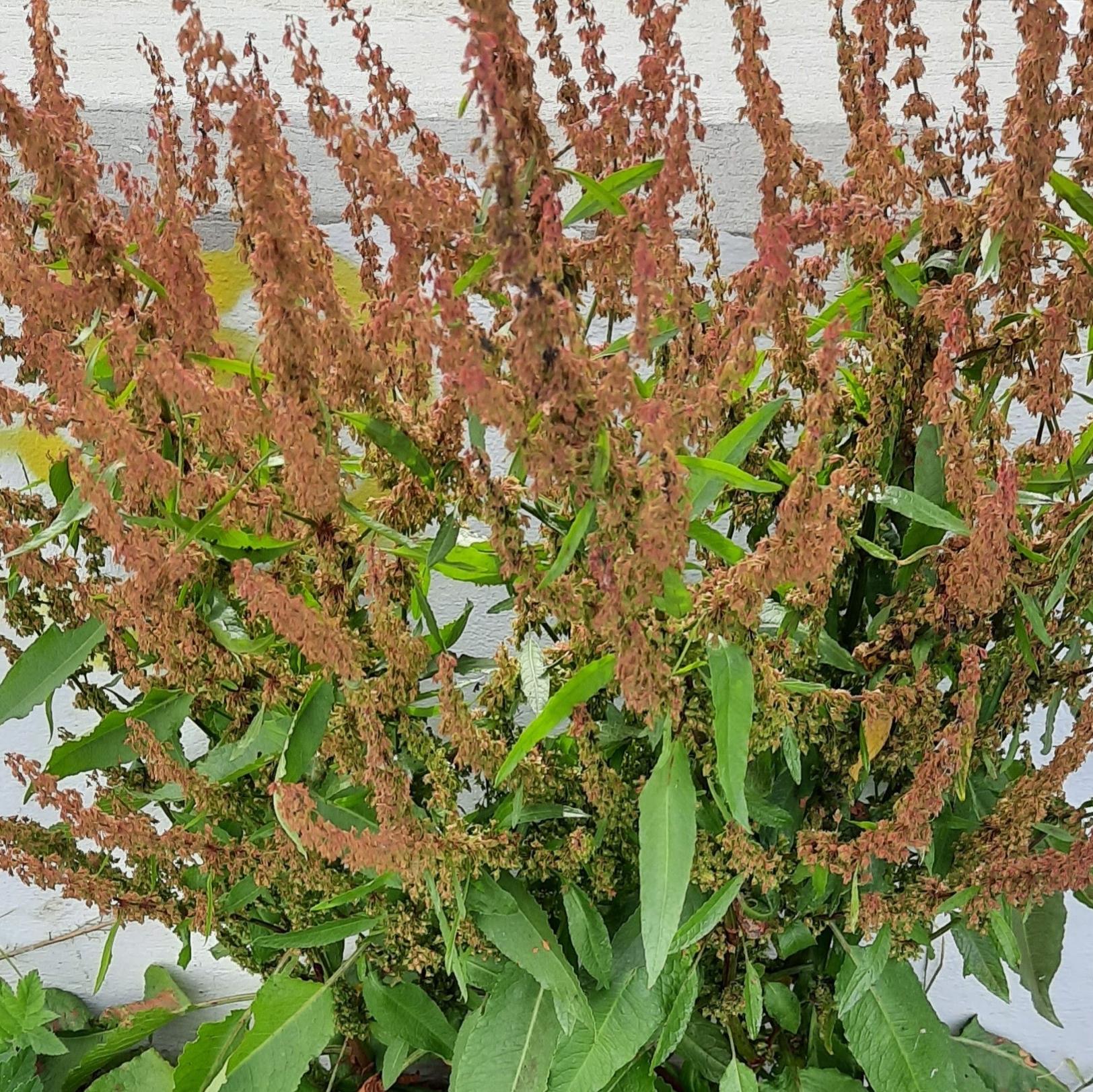
Yellow dock root is a classic “bitter” alterative herb used to support the body’s natural detoxification pathways, particularly through the liver and digestive system. Its bitter compounds stimulate bile flow and digestive secretions, which can aid nutrient absorption and encourage regular elimination.
Traditionally, yellow dock has been recommended for chronic, “hot” skin issues—such as acne, rough, or itchy eruptions—thought to be linked with sluggish liver or elimination. For this reason, it often appears in herbal formulas that target both internal cleansing and clearer, more comfortable skin.